Simplifying Bedtime for Your Dog with the “Go to Bed” Command
As the moon rises and the day comes to an end, every dog deserves a peaceful slumber. Discover the magic of the "Go to Bed" command and simplify bedtime for your furry friend. Say goodbye to restless nights and say hello to tranquil dreams with this simple yet effective technique. Soothing for both you and your pup, this command will transform bedtime into a serene ritual that both of you will eagerly await each night.

How to Use a Dog Whistle for Training Your Pup
Training your pup can be a challenging and delightful journey, and incorporating a dog whistle can add an element of fun and effectiveness. By understanding the science behind sound frequencies and using positive reinforcements, you can unlock the full potential of this versatile tool, creating a harmonious bond with your furry friend.
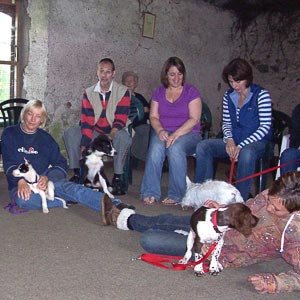
Puppy Training for Fear of Children: Building Trust
With patience and consistency, puppy training for fear of children can help build trust and confidence. By introducing positive experiences with children while ensuring a safe environment for both the puppy and the child, a strong bond can be formed, gradually overcoming any fears or anxiety.

How to Train a Dog for Bed Bug Detection
Training a dog to detect bed bugs is a fascinating and rewarding experience that requires patience and consistency. By using positive reinforcement techniques and gradually introducing the scent of bed bugs, your furry friend can become a skilled bed bug hunter, ensuring a peaceful night's sleep for you and your loved ones.
How to Teach Your Dog to Do a Handstand: Balancing Act
Introducing the next level of canine acrobatics - teaching your dog to do a handstand! While this may seem like a daunting task, with patience, consistency, and a lot of treats, you can guide your four-legged friend into perfecting this impressive balancing act.
Teaching Your Puppy Basic Agility Skills
Young pups need to learn and develop their coordination, confidence, and physical abilities. Teaching them basic agility skills, such as navigating through tunnels, jumping hurdles, and weaving through poles, is a fun and beneficial activity that aids in their overall growth and mental stimulation.

Can You Train a Dog to Use a Litter Box? Your Questions Answered
Training a dog to use a litter box may sound like a far-fetched idea, but with patience and consistency, it is indeed possible. From choosing the right box to teaching the desired behavior, this article will explore the ins and outs of this unconventional potty training method.

How to Train a Puppy for Therapy Work
Whether it's comforting patients in hospitals or bringing joy to the elderly in nursing homes, training a puppy for therapy work requires patience, consistency, and positive reinforcement. From basic obedience skills to socialization, this article explores the essential steps to prepare your furry friend to become a compassionate therapy dog.
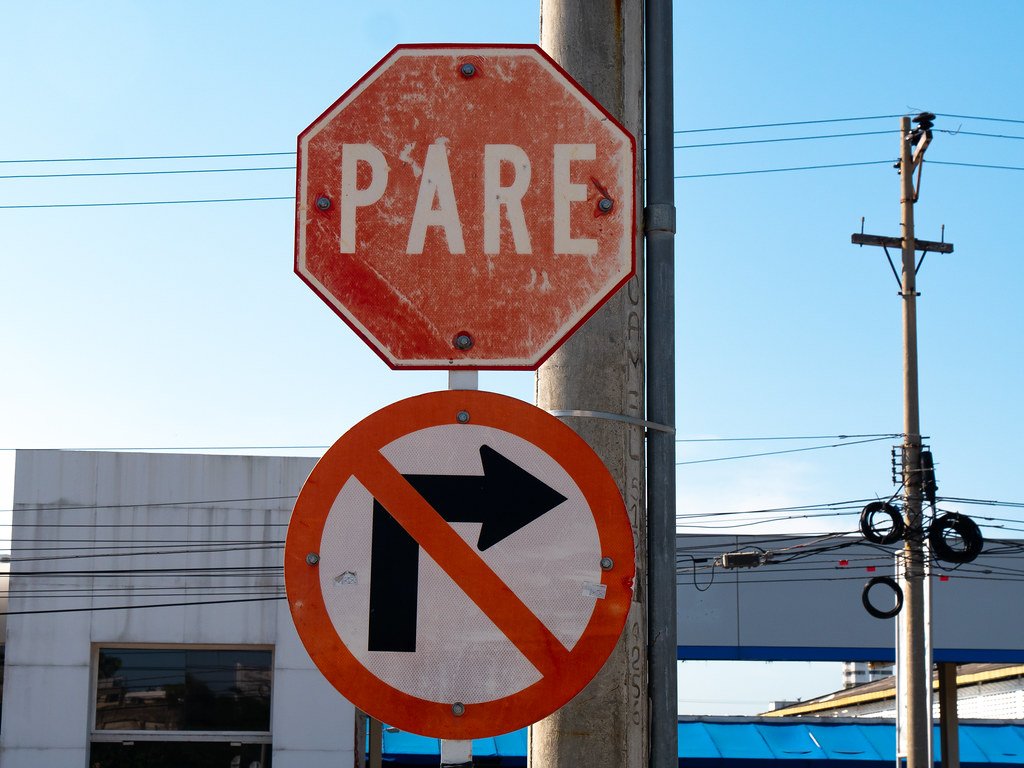
How to Stop Your Dog from Chasing Cars
With cars whizzing by, it's crucial to keep our furry friends safe. To curb their car-chasing habit, focus on building a strong bond through positive reinforcement training, engaging toys, and rewarding distractions to redirect their attention. Remember, a well-trained dog is a happy dog!
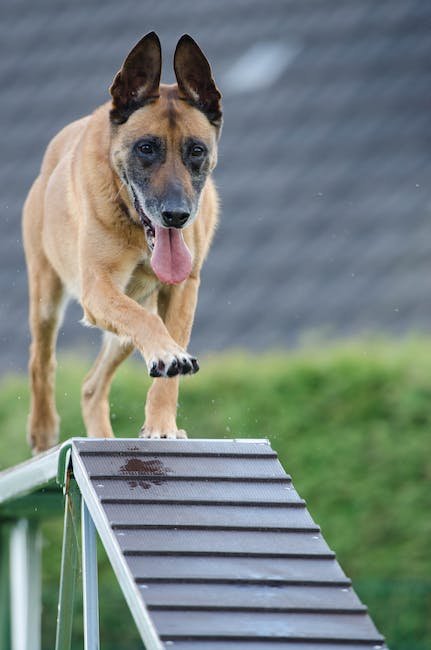
The Importance of Gut Health in Dog Training
Good dog training starts from the inside out – with a healthy gut. A balanced microbiome in dogs can have a positive impact on their behavior, making training sessions more effective and enjoyable. So, before you hit the training field, ensure your pooch's gut health is in tip-top shape!
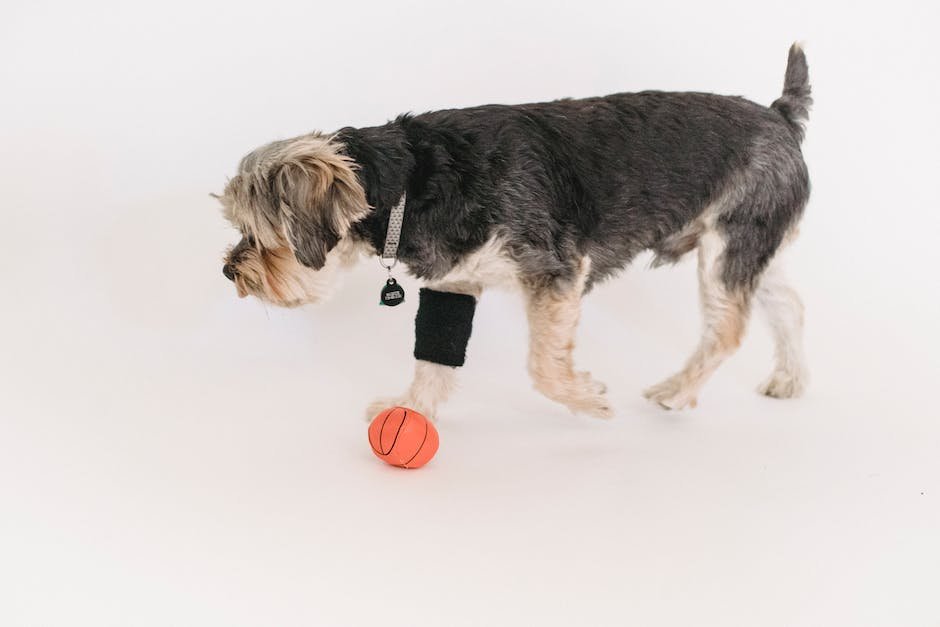
Advanced Puppy Training: The “Sort the Laundry” Trick
Imagine coming home after a long day to find your puppy eagerly helping you sort the laundry. Believe it or not, this trick is not just a dream but can be a reality with advanced puppy training. Discover the secrets behind teaching your furry friend the "Sort the Laundry" trick and turn your mundane chores into a fun-filled bonding activity.
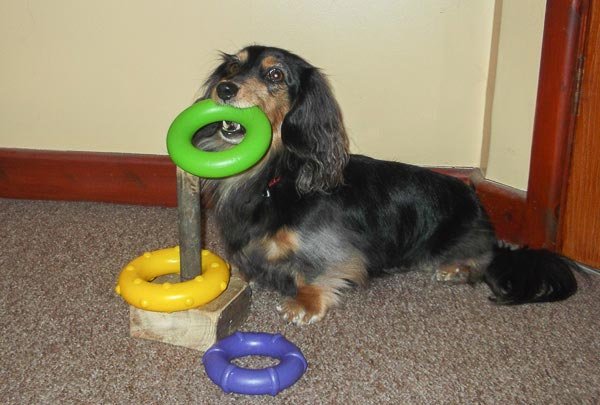
The “Paw” Command: Different from “Shake” in Dog Training
In the world of dog training, the "paw" command has emerged as a unique technique, distinct from the traditional "shake" command. While "shake" focuses on shaking hands, "paw" expands the dog's skills by teaching them to offer their paw without any prompts, adding a touch of creativity to their repertoire of tricks.