
How to Train a Dog for Allergy Detection
Dogs are no longer just man's best friend, but also allergy detectives! Training your furry companion to sniff out allergens can greatly improve the quality of life for individuals with severe allergies, with their exceptional scent detection abilities. Harness the power of your pooch's keen nose and embark on an exciting journey of allergy detection training.
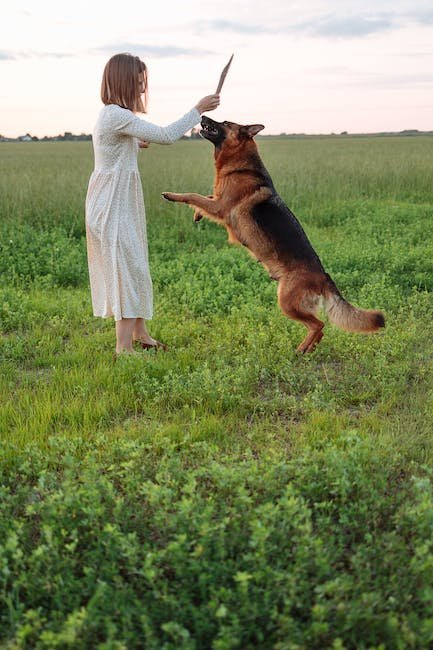
How to Use a Dog Training Fetch Stick for Retrieval
While training your dog to fetch, a dog training fetch stick can be a valuable tool. Its simple design and easy-to-grip handle make it perfect for teaching your canine companion how to retrieve objects. This article will guide you through the process of using a dog training fetch stick for successful retrieval training.
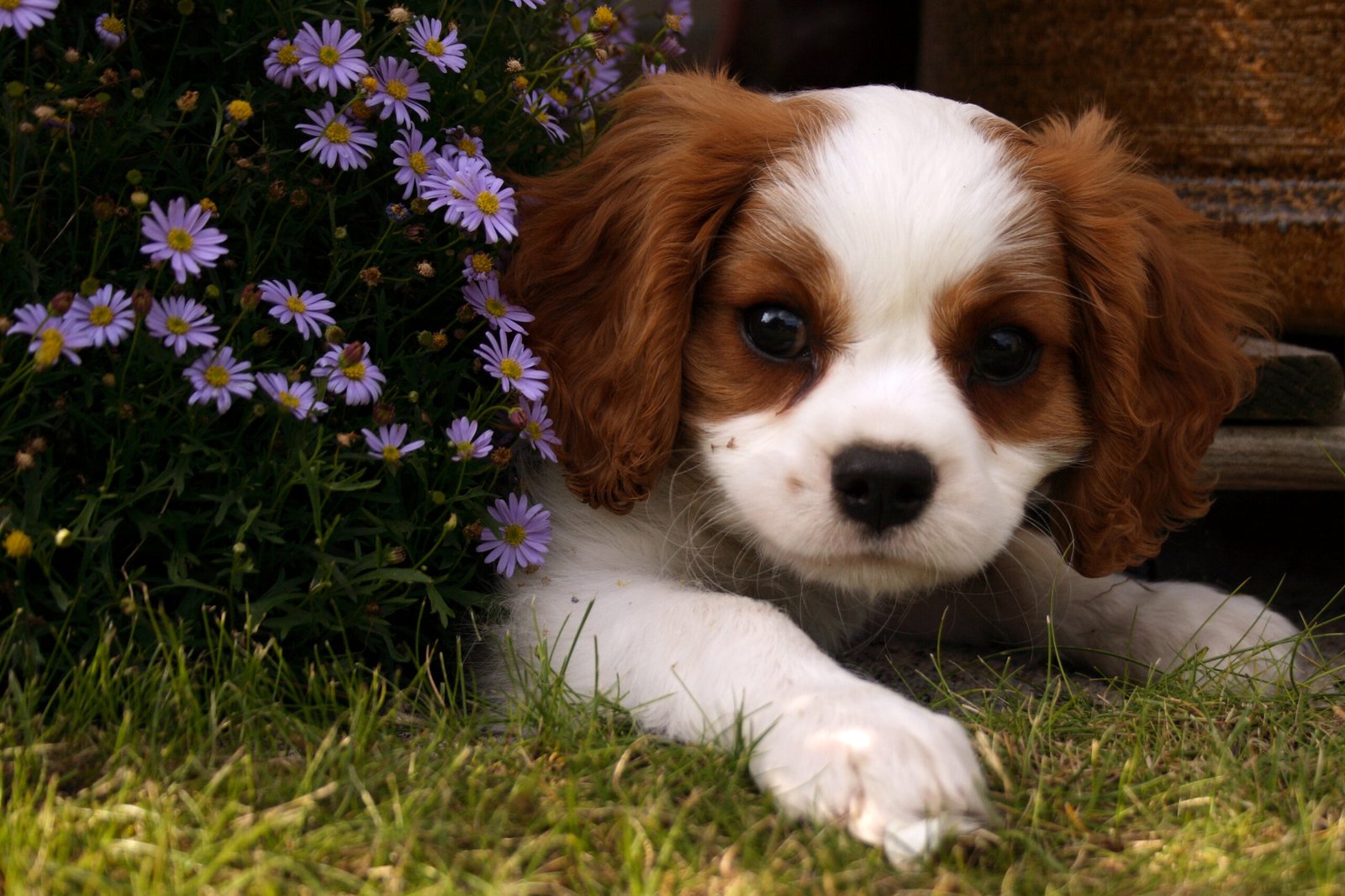
How to Stop Your Dog from Rolling in Smelly Stuff
As you stroll through the park with your furry friend, the unmistakable scent of something foul catches your nose. Before you know it, your dog is rolling around like it's the best thing in the world. Discover effective tactics to prevent your canine from turning into a perfume factory - the tricks may involve distraction, training, and a keen eye for potential "stink traps.

Can You Train a Puppy Too Early?
Puppies are like sponges, but can too early of an exposure to training dampen their spirit? Some experts argue that starting puppy training as soon as they arrive home can inadvertently create behavioral issues, while others believe it to be a crucial foundation for a well-rounded pup.

How to Use a Dog Training Choke Chain Safely
When it comes to dog training choke chains, safety should always be a top priority. By understanding the correct way to use them, ensuring a proper fit, and using them in combination with positive reinforcement techniques, you can help guide your furry friend on the path to good behavior without compromising their well-being.

The Role of Protein in Dog Training: What You Need to Know
If you want your furry friend to excel in training sessions, understanding the role of protein is crucial. It fuels their muscles, aids in brain function, and promotes overall well-being. Discover the power of protein and unlock your dog's full potential.
What Are the Basic Commands Every Dog Should Know?
From sit and stay to come and leave it, there are some basic commands that every dog should know. These commands not only ensure their safety but also help build a bond between you and your furry friend. Discover the essential commands that can make your dog a well-behaved companion and bring harmony into your home.
How to Teach Your Dog to “Speak” on Command
Teaching your dog to "speak" on command can be a fun and impressive trick. With patience and positive reinforcement, you can unlock the hidden vocalist in your furry friend, adding an extra touch of charm to their already adorable repertoire.

How to Train Your Puppy to Fetch
Training your puppy to fetch can be a delightful and engaging experience for both of you. With a little patience and consistency, you can tap into their natural instincts to retrieve objects and turn it into an enjoyable game that strengthens your bond.

How to Train a Dog for Fire Rescue
Training a dog for fire rescue is no easy task, but with patience and dedication, it can be accomplished. From teaching them to detect and navigate through smoke to familiarizing them with rescue equipment, these courageous canines are the unsung heroes of our firefighting teams.

How to Keep Your Dog Quiet with the “Hush” Command
Training your dog to be quiet on command can be a lifesaver for both you and your furry friend. Discover the power of the "Hush" command and explore creative techniques to ensure a peaceful coexistence, leaving both of you wagging your tails with contentment.

How to Train a Dog for Livestock Herding
A well-trained dog in the field of livestock herding can be a rancher's best friend. From understanding basic commands to developing instincts for working with different animals, this article explores the creative ways in which you can train your dog to become an effective herder.