
Can You Train a Dog to Be Vegan? What You Need to Know
In a world where plant-based diets are gaining popularity, some pet owners are wondering if they can extend this lifestyle to their canine companions. Can you really train a dog to thrive on a vegan diet? Here's what you need to know before making any major dietary changes for your furry friend.

How to Train Your Dog for Drag Racing: A Straight Dash
Ever wondered how to turn your furry friend into a drag racing champion? Get ready for a high-speed adventure as we delve into the secrets of training your dog for a straight dash like no other. Unleash the potential of your four-legged companion and embark on the thrilling world of canine drag racing - get those paws revving!
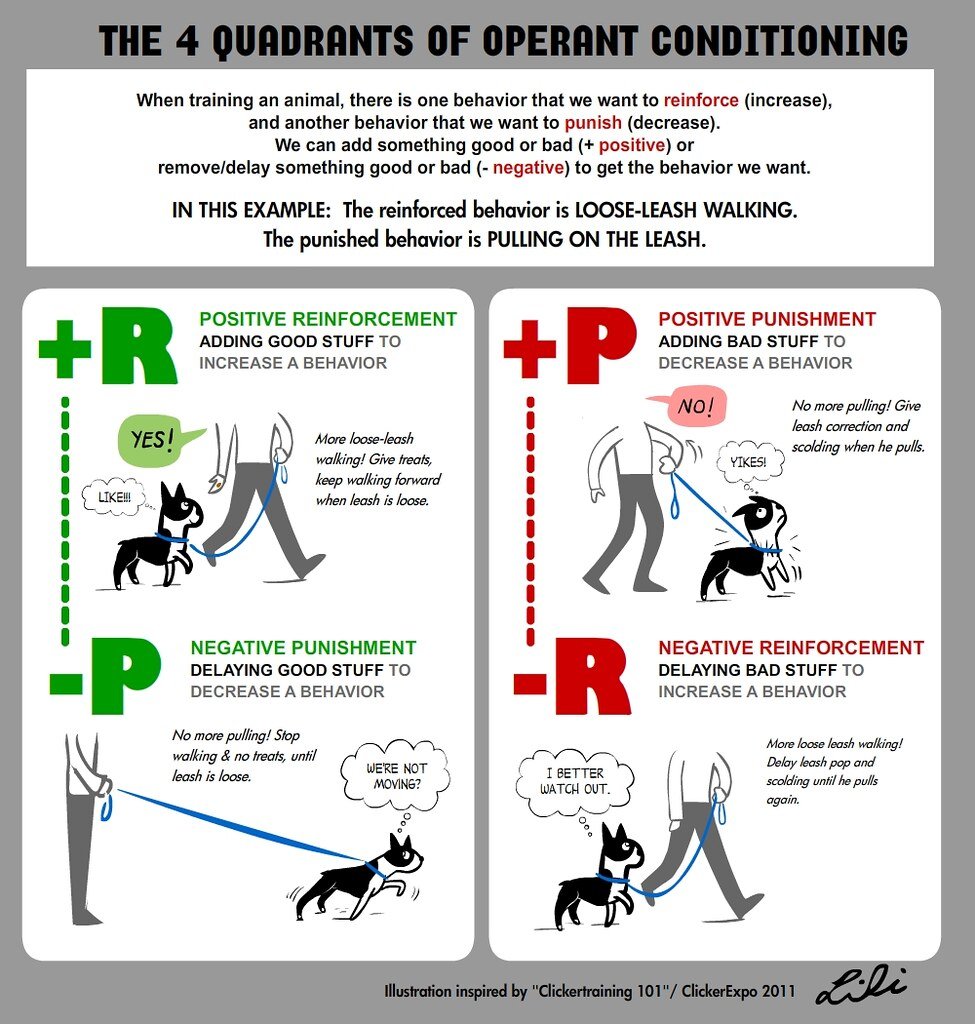
Positive Reinforcement for Training Older Dogs
Training older dogs can be a fun and rewarding experience, and positive reinforcement is key to their success. By using treats, praise, and affection, you can motivate and encourage your furry friend to learn new tricks and behaviors, reinforcing the bond between you both.
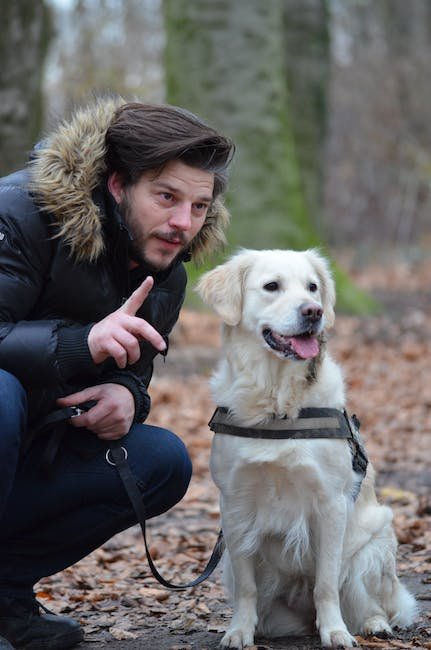
Dog Training with E-Collars: Pros and Cons
Dog training with e-collars has its advocates and detractors. While some argue that this method can be effective and expedient, others are concerned about potential harm and argue for more positive reinforcement techniques. Ultimately, owners must weigh the pros and cons to determine the best approach for their furry companions.

How to Train a Dog for Airport Security
In the bustling world of airport security, training a dog is no small feat. From teaching them to sniff out drugs, explosives, and concealments, to acclimating them to the busy terminal environment, a well-trained canine partner is an indispensable asset in safeguarding our skies.
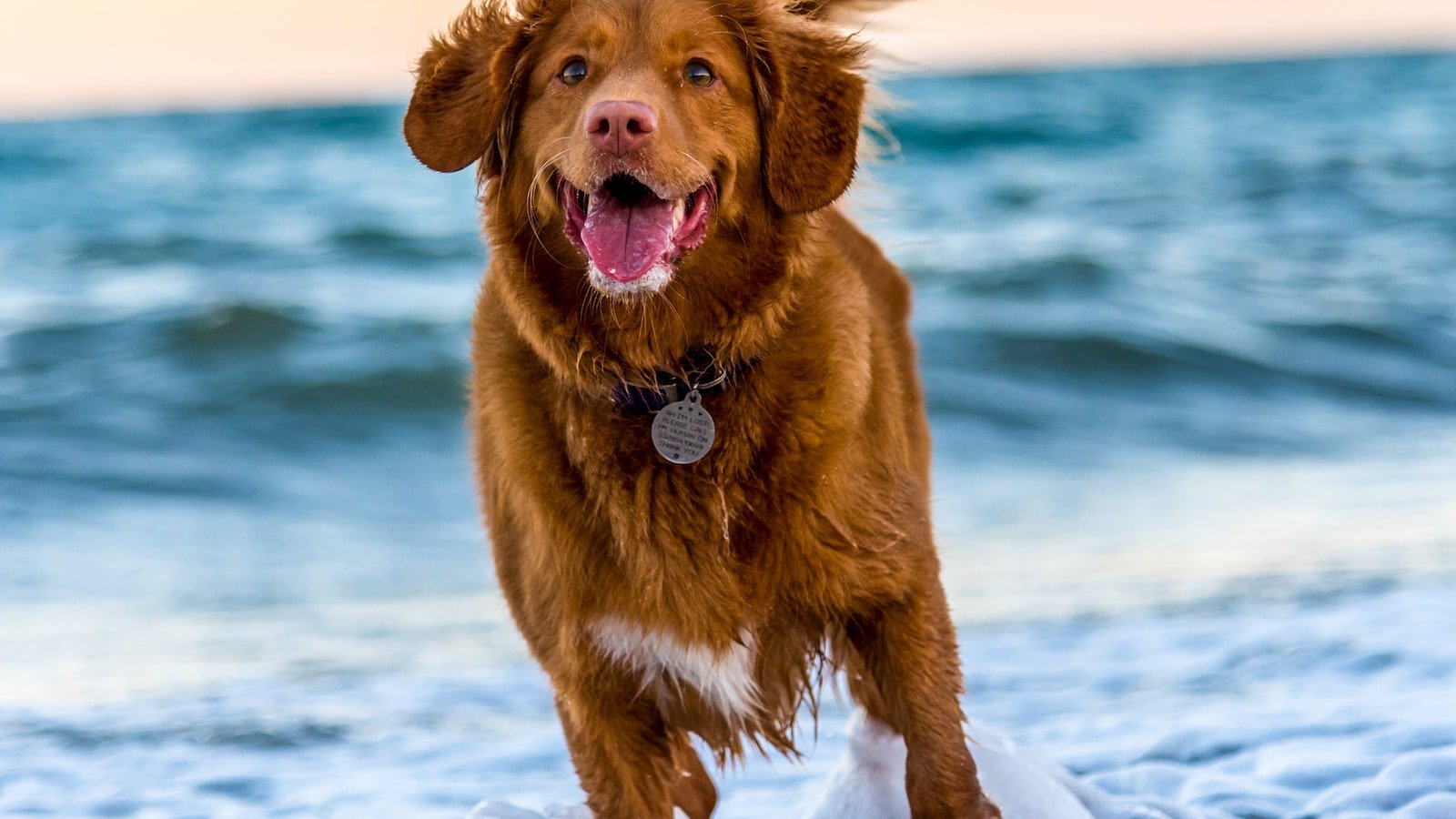
Advanced Dog Training: The “Open a Drawer” Trick
With advanced dog training, your furry friend can learn impressive tricks like opening a drawer. This clever skill not only showcases your dog's intelligence but also provides useful assistance for daily tasks. Mastering this trick requires patience and consistency, but the joy and admiration it brings are priceless.

The “Back Up” Command: Dog Training for Tight Spaces
In the world of dog training, the "Back Up" command is often underestimated but a crucial skill to acquire. Perfect for navigating tight spaces or crowded areas, this command allows your furry companion to gracefully maneuver and create a safe distance, making your walks a breeze.

How Proper Nutrition Fuels Effective Dog Training
Proper nutrition is the secret sauce that powers extraordinary dog training - like a well-tuned engine, a well-nourished dog is primed for success. Just like humans, dogs benefit from a balanced diet, boosting their energy levels, enhancing concentration, and minimizing distractions. The right fuel for a well-trained pup!
Dog Training for Weight Pulling: Strength and Stamina
Dogs are not only our loyal companions, but they can also be powerful athletes. Dog training for weight pulling is an excellent way to build strength and stamina in our canine friends, transforming them into mighty beasts capable of pulling heavy loads.

Dog Training for Emotional Support: The “Hug” Command
As humans, we often seek comfort in a warm embrace, and our furry friends can provide the same solace. Introducing the "Hug" command in dog training can help emotional support dogs lend a literal shoulder to cry on, offering a unique bond and sense of security to those in need.

The Role of Training Treat Bags in Dog Training
Training treat bags are an essential tool in dog training, serving as a conduit for positive reinforcement. These handy accessories not only keep treats readily accessible, but they also enhance focus and motivation for our furry companions, making training sessions more effective and enjoyable for both dog and trainer.

The Role of Collagen in Dog Training
Collagen, a crucial protein in dogs' bodies, not only supports their skin and joints, but also plays a significant role in their training. Its presence ensures efficient muscle recovery, enhancing dogs' endurance and flexibility, ultimately allowing them to learn and perform training exercises with ease.