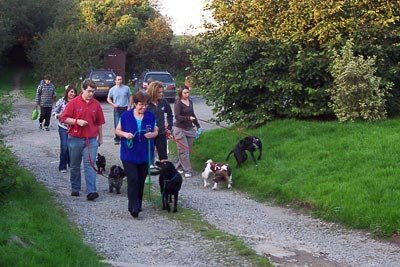
Dog Training for Treibball: The Herding Game
As the ultimate herding game, Treibball offers dogs a chance to showcase their intellect, agility, and teamwork. Through effective dog training techniques, such as positive reinforcement and consistent practice, owners can unlock their pet's innate herding instincts and turn the game into an exhilarating experience for both canine and human alike.

The Role of Positive Reinforcement in Specialized Dog Training
Positive reinforcement plays a pivotal role in specialized dog training, unlocking the immense potential that lies within every canine. With patience, consistency, and a sprinkle of love, these training techniques empower dogs to thrive, fostering an unbreakable bond between human and four-legged companion.

How to Stop Your Dog from Scratching Doors
You shut the door, leaving your fur baby on the other side, but their persistent scratching starts echoing through the house. Discover the art of redirecting their energy, soothing their anxiety, and protecting your beloved doors from their relentless nails in just a few simple steps.

How to Train a Dog for Bomb Detection
With patience and dedication, training a dog for bomb detection can be a rewarding experience. By introducing the dog to different scents and rewarding them for successfully identifying explosives, you can help create a canine protector whose nose saves lives.
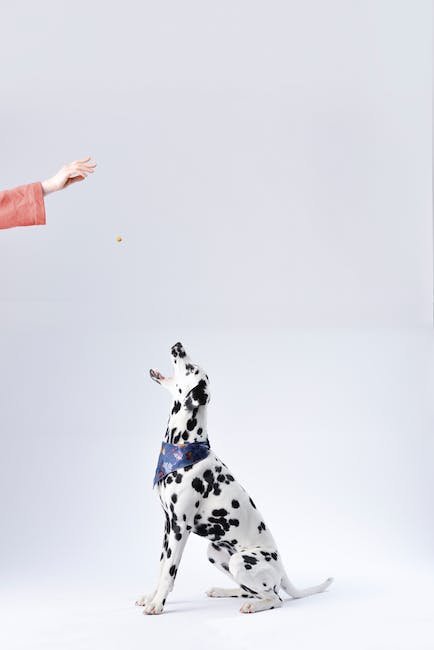
Dog Training for Coprophagia: Addressing the Icky Issue
Some dogs have a dirty little secret - they love to indulge in coprophagia, or the ingestion of feces. While this habit can be disgusting and alarming, there are effective training methods to help dogs kick this icky issue to the curb. By understanding the root causes and implementing positive reinforcement techniques, you can break the cycle and ensure a more hygienic and happier existence for both you and your furry friend.
The Importance of Desensitization in Therapy Dog Training
In therapy dog training, desensitization plays a crucial role in preparing our furry companions to handle diverse situations with ease. By gradually exposing them to unfamiliar stimuli or environments, we help them build resilience and become non-reactive, ensuring they can provide comfort and support to humans in need.