
How to Train a Dog to Stop Chasing: FAQs
As your furry friend darts off after squirrels or bicycles, it's time to put an end to the chasing frenzy. This article provides answers to frequently asked questions on how to train your dog to stop chasing, so you can enjoy peaceful walks together without any high-speed pursuits.
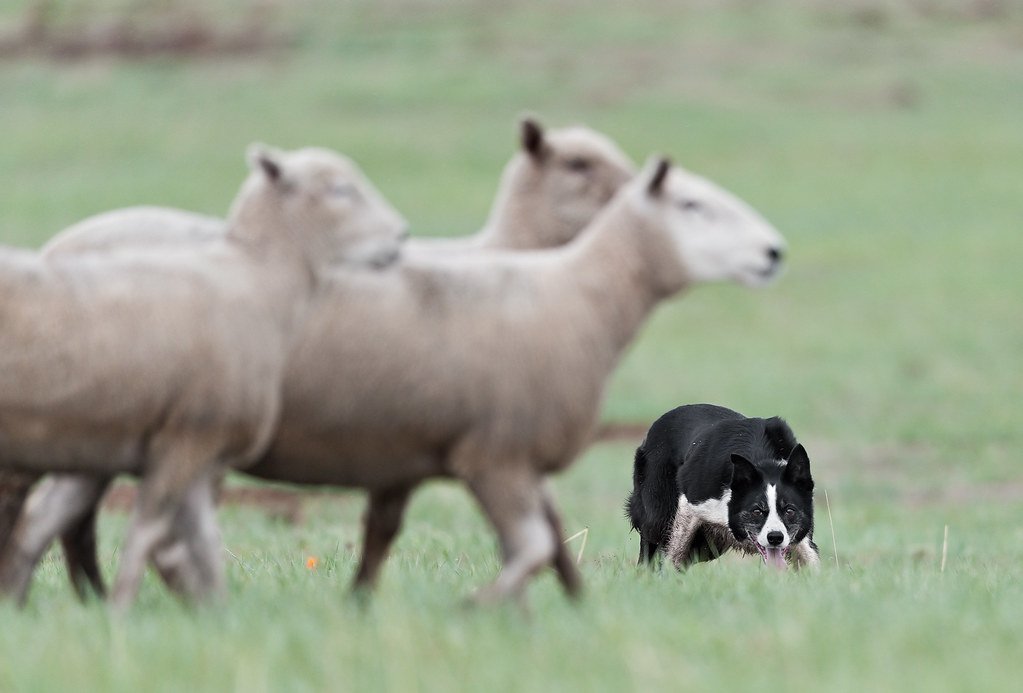
Dog Training for Sheepdog Trials: A Guide for Herders
As herders step onto the sheepdog trials field, their four-legged companions become their trusted partners in navigating the challenges ahead. This guide dives into the art of dog training for sheepdog trials, offering valuable insights and techniques for herders looking to enhance their skills and build strong relationships with their canine companions.
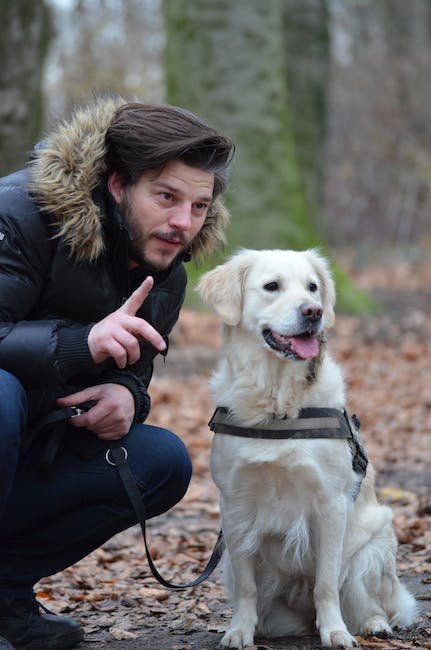
The Importance of Vitamins in Dog Training
Vitamins play a crucial role in optimizing dog training, ensuring their mental and physical well-being. From enhancing cognitive function to strengthening muscle growth, a balanced vitamin intake is key to unlocking a loyal companion's true potential in the world of obedience and agility training.
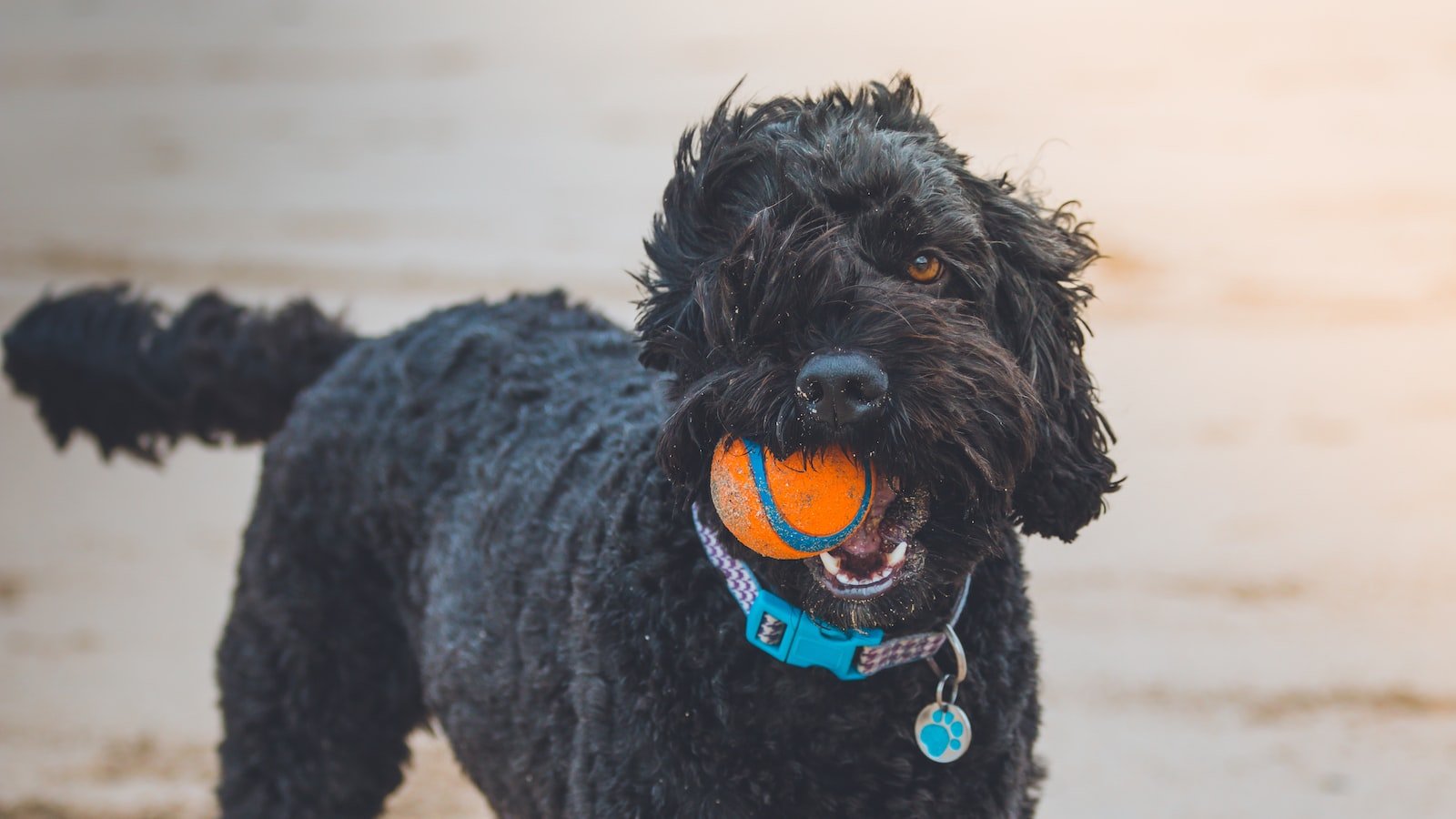
Dog Training for Dock Jumping: Making a Splash
The thrill of watching dogs leap fearlessly into the water has captivated spectators at dock jumping competitions around the world. But behind every successful splash lies dedicated training, where dogs learn to overcome their fears and harness their natural instincts. Dive into the world of dock jumping, where dogs and their trainers make a splash like no other.
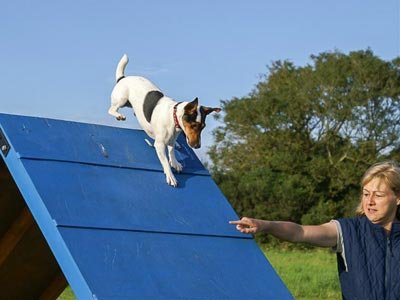
Advanced Dog Training: The “Play Dead and Revive” Trick
With advanced dog training, your furry friend can learn an impressive trick like "play dead and revive." This creative skill not only showcases their intelligence but also provides mental stimulation.

The “Enough” Command: Ending Unwanted Dog Behavior
In the world of dog training, the "Enough" command has emerged as a powerful tool to curb unwanted behaviors. This simple yet effective technique allows owners to communicate boundaries to their beloved canines, fostering a harmonious relationship built on respect and understanding.
Stop Your Dog’s Whining with Positive Reinforcement
Having a dog that constantly whines can be a nuisance, but instead of scolding or punishing them, try using positive reinforcement to address this behavior. By rewarding your pup for being calm and quiet, you can create an environment where silence is truly golden, for both you and your furry friend.
How Many Training Sessions Does My Dog Need? A Guide
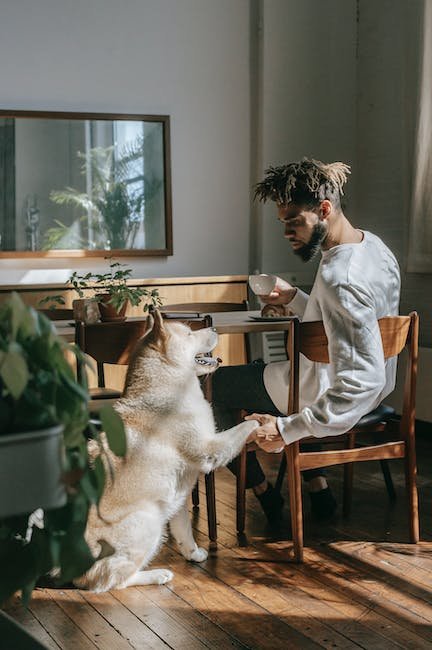
Training sessions for dogs can vary depending on their age, breed, and individual needs. While some dogs might need just a few sessions to grasp commands, others might require consistent training over weeks or even months. Understanding your dog's unique requirements is essential for determining the number of training sessions they need to become the perfect obedient companion.

How to Train a Dog to Stop Growling: An FAQ Guide
Is your furry friend constantly growling? Our FAQ guide will help you navigate the world of dog training and teach you effective techniques to put a stop to the growling behavior, ensuring a harmonious bond between you and your dog.

Is It Ever Too Late to Train a Puppy?
You may think that the window for training a puppy is short-lived, but is it ever too late to mold a furry ball of energy into a well-behaved companion? Whether you're starting from scratch or picking up where someone else left off, it's never too late to shape a dog's behavior and strengthen the bond between human and canine.
The Importance of Iron in Dog Training Nutrition
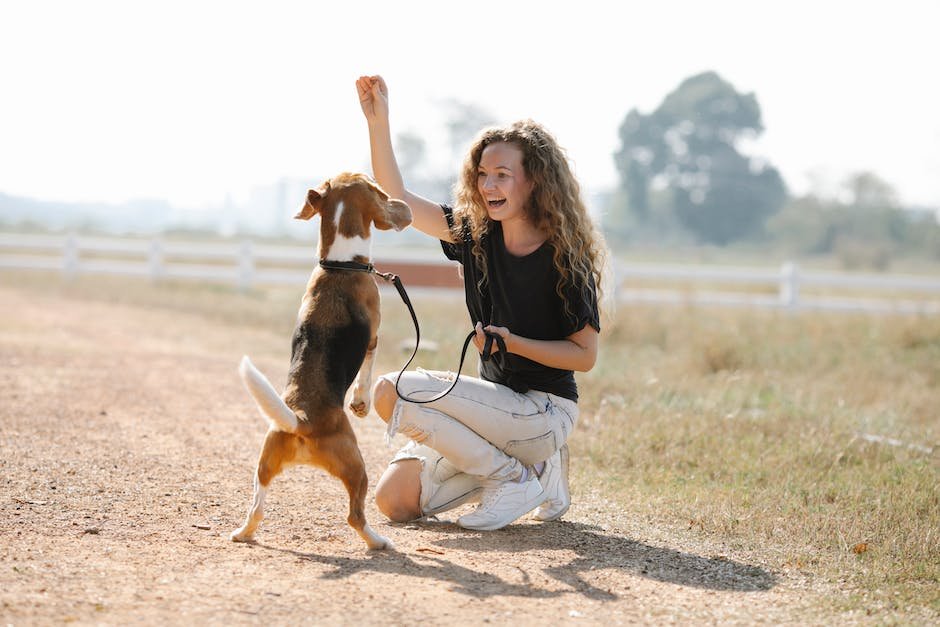
Iron plays a crucial role in a dog's training nutrition, aiding in the development of strong muscles and efficient oxygen transportation. Without sufficient iron, a dog may suffer from fatigue, weakness and decreased focus, hindering their ability to excel in training.

How to Teach Your Dog to Tidy Up Their Toys
Teaching your furry friend to tidy up their toys may seem like a daunting task, but with patience and reward-based training techniques, you can make it a fun and engaging experience for both of you. Here's how to transform your messy pup into a tidy-up champ!