
How to Train a Dog for Therapy Visits in Hospitals
A therapy dog can provide comfort, love, and support to patients in hospitals. Training your dog for therapy visits involves patience, positive reinforcement, and exposing them to different environments. With the right guidance, your pooch can become a healing companion for those in need.
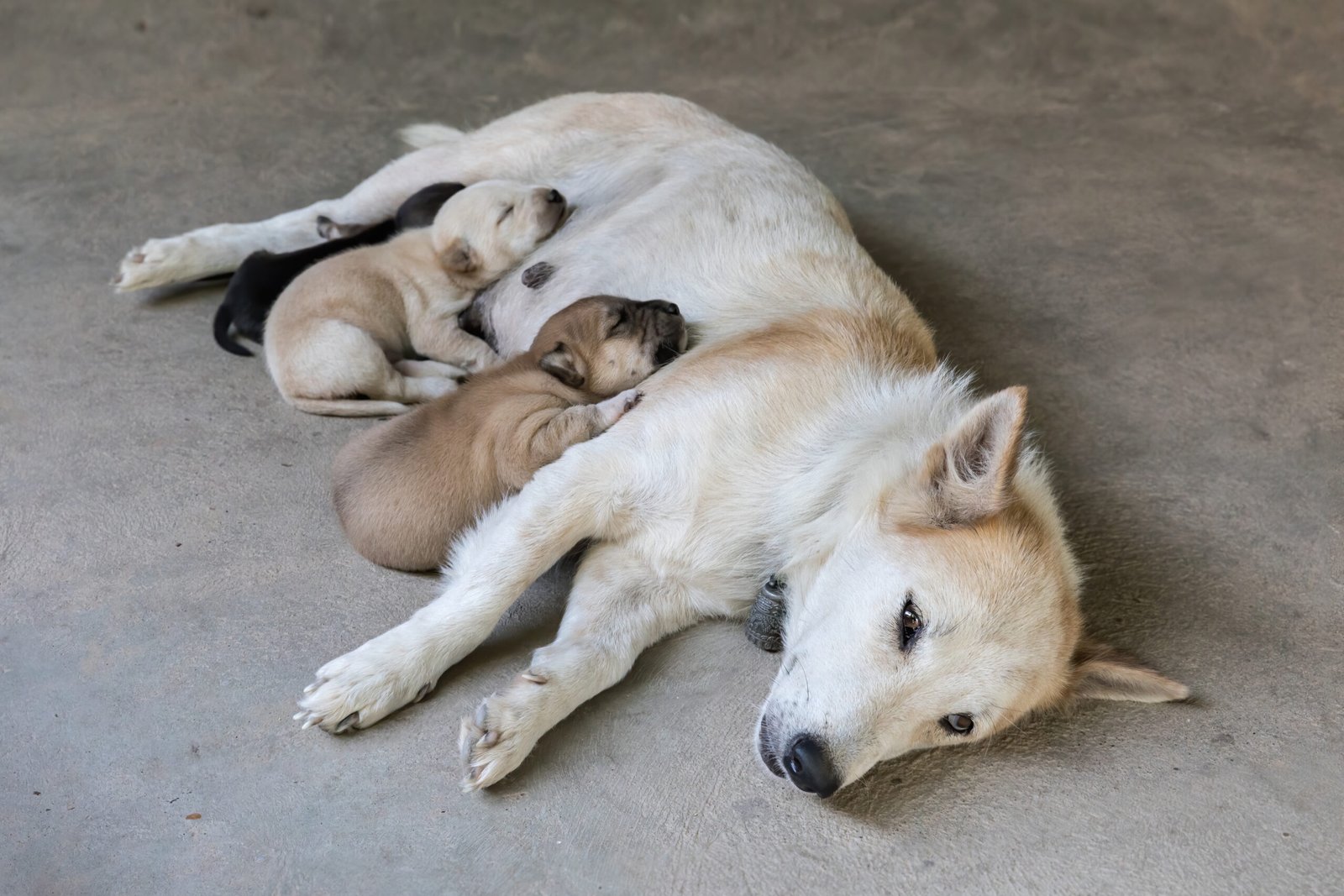
The Best Training Treats for Puppies
When it comes to training your adorable little furball, you want treats that will make their tails wag with excitement. Look no further than these delectable morsels that will have your puppy begging for more. From tiny bites bursting with flavor to chewy delights that promote dental health, it's time to reward your pup with the best training treats on the market.

How to Train a Diabetic Alert Dog
Training a diabetic alert dog requires patience, consistency, and love. From teaching the dog to detect changes in blood sugar levels to training them to respond by alerting their handler, the process is a unique blend of science, dedication, and the incredible bond between human and canine.
How to Stop Your Dog from Guarding the Couch
You settle down on the couch, ready to relax, but your furry companion sees it as their exclusive guard duty post. Discover effective techniques to teach your dog that the couch is a shared space, fostering harmony in your living room paradise.

The Importance of Age in Service Dog Training
Age plays a crucial role in service dog training, as it determines the pup's development, adaptability, and readiness for advanced tasks. From the early socialization period to the more specialized training sessions, understanding the importance of age can greatly impact the success and effectiveness of these remarkable canine companions.
Dog Training for Freestyle: Dance the Night Away
When it comes to dog training, freestyle is a unique and captivating way to bond with your furry companion. From coordinated moves to synchronized spins, this dance-like sport allows you and your dog to create a beautiful and harmonious performance that will surely mesmerize any audience.
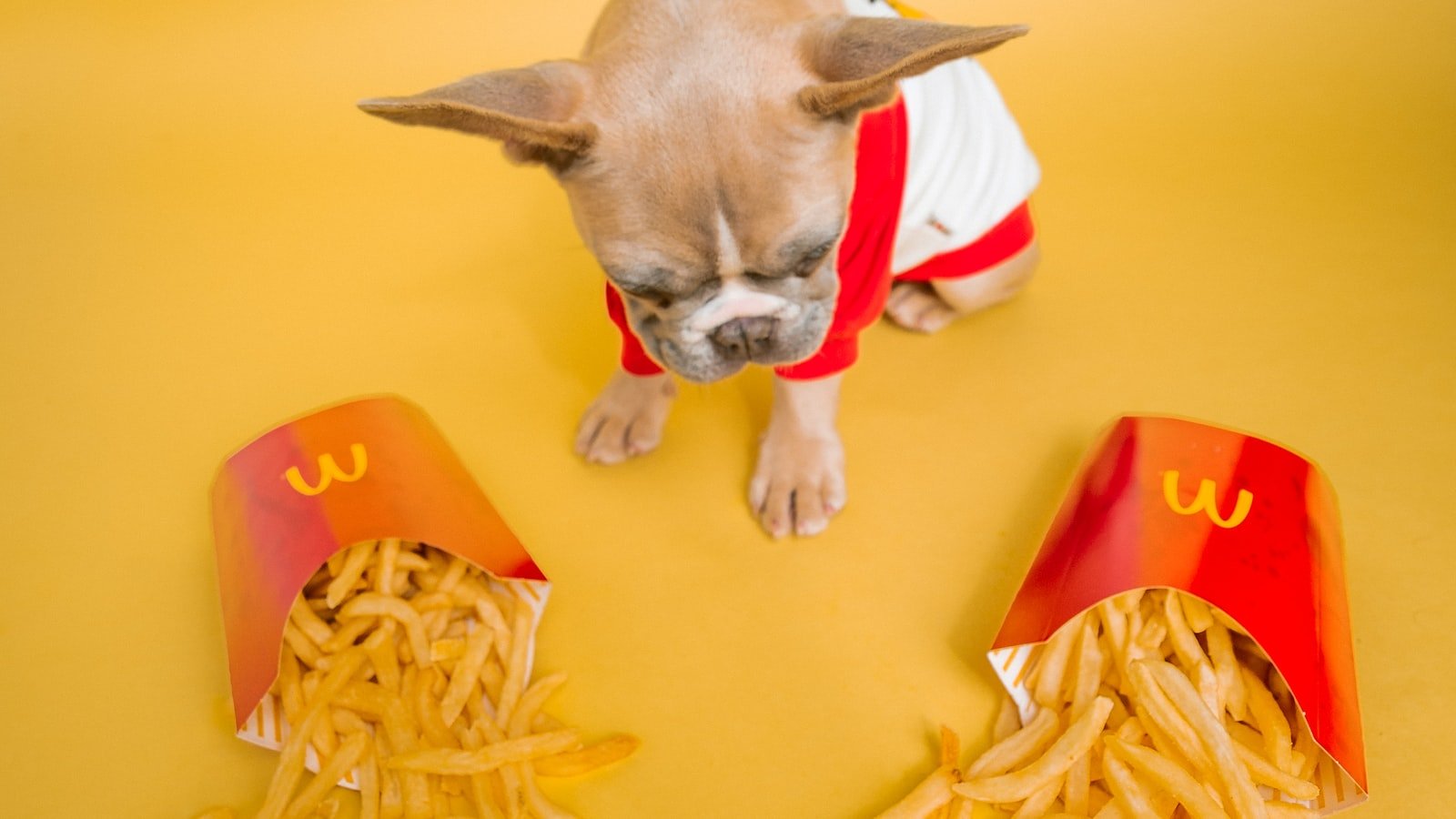
How to Choose the Right Dog Food for Training Your Pup
Training your pup requires the right fuel, so it's essential to choose the perfect dog food. From high-quality ingredients to the right balance of nutrients, finding that ideal kibble will not only keep your furry friend healthy, but also enhance their learning abilities.
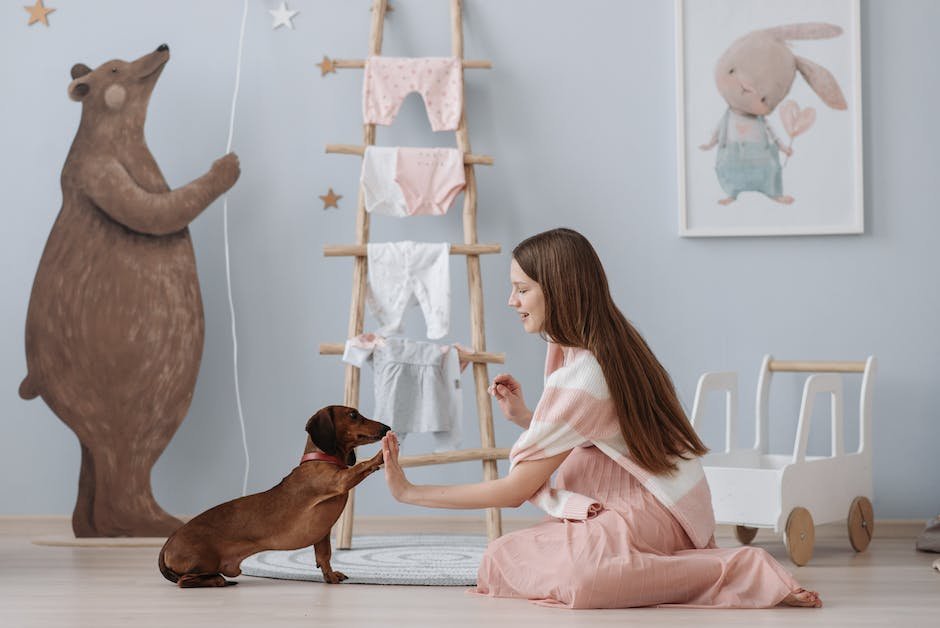
The Role of Fats in Dog Training Nutrition
In the realm of dog training nutrition, fats play a vital role in supporting a canine's overall health and performance. From enhancing brain function to promoting a lustrous coat, incorporating the right amount of healthy fats into a dog's diet can make a world of difference in their training journey.

How to Train a Dog for Hearing Impaired Assistance
Have you ever wondered how our four-legged friends can assist individuals with hearing impairments? Training a dog for hearing impaired assistance requires patience, dedication, and a mutual bond of trust—they become ears that never miss a sound, a companion through life's silent melodies.

Recall Training Your Dog with Positive Reinforcement
Recall training your dog with positive reinforcement can be a game-changer, offering a harmonious connection between you and your furry friend. By rewarding their obedience with treats, pets, and praise, you'll witness their enthusiasm soar as they eagerly come running back to you, solidifying a bond built on trust and mutual respect.

How to Train a Dog Not to Jump: An FAQ Guide
You love your furry friend, but their jumping habit can sometimes be overwhelming. In this FAQ guide, we'll explore effective techniques and tips to help you train your dog not to jump, ensuring a harmonious and polite companionship.

How to Teach Your Dog to Balance a Treat on Their Nose
Teaching your dog to balance a treat on their nose is not only a great party trick but also a fun way to stimulate their focus and coordination skills! With a little patience and a lot of treats, you can spend quality time teaching your furry friend this impressive skill that will leave everyone in awe.